
Common Mistakes to Avoid When Using Transfer Paper with a Vinyl Cutter
When working with transfer paper and a vinyl cutter, achieving a flawless design isn’t just about having the right tools—it’s also about knowing how to use them correctly. Whether you’re a beginner or an experienced crafter, avoiding common mistakes can save time, reduce material waste, and ensure professional-quality results. Below, we highlight the most frequent pitfalls and how to avoid them.
1. Choosing the Wrong Transfer Paper
Not all transfer materials are the same. Some are designed for inkjet printers, while others work best with laser or sublimation printing. Using the wrong type can lead to poor adhesion, dull colours, or smudging. Always check compatibility with your printing method before starting your project.
2. Incorrect Cutting Settings on the Cutter
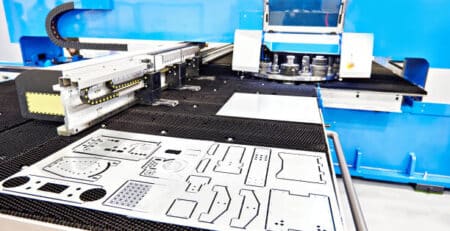
These cutters require precise settings to ensure a clean cut without damaging the backing paper. Setting the blade too deep can cause difficulties in weeding, while a shallow cut might not fully cut through the vinyl. Always perform a test cut before proceeding with your final design to avoid wasting materials.
3. Skipping the Weeding Process
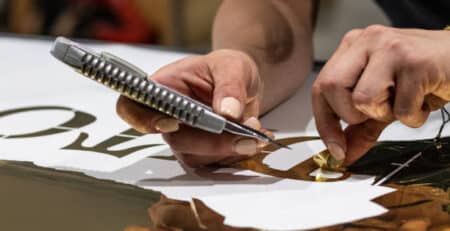
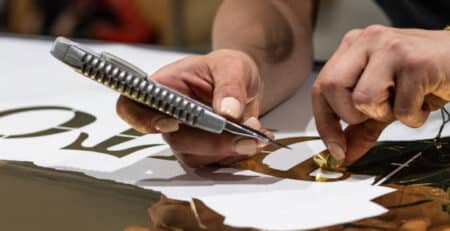
Weeding is a crucial step that involves removing excess vinyl from your design. If you rush this process, you might accidentally remove important elements or leave behind unwanted bits of vinyl. Use weeding tools and good lighting to ensure a smooth and clean outcome.
4. Not Prepping the Surface Properly
A common reason for poor adhesion is an unclean surface. Whether you’re applying your design to fabric, wood, or glass, make sure it is free from dust, oil, or moisture. Using an alcohol wipe or lint roller can help improve adhesion and longevity.
5. Applying Too Much or Too Little Pressure
When transferring the design, applying the right amount of pressure is key. Too much pressure can cause the transfer to stretch or distort, while too little might prevent it from adhering properly. Follow the manufacturer’s guidelines on pressure settings for best results.
6. Ignoring Temperature and Timing Guidelines
For heat transfer applications, ensuring the correct temperature and time duration is essential. If the temperature is too low, the transfer won’t stick properly. If it’s too high, you risk burning or damaging your design. Always refer to the specific instructions for your transfer sheet to get optimal results.
7. Peeling the Transfer Sheet at the Wrong Time
Transfer papers vary in whether they require hot or cold peeling. Removing the backing at the wrong time can cause part of the design to lift or crack. Always double-check the manufacturer’s instructions to know when to peel for a perfect finish.
8. Overlapping Designs or Misalignment
Proper alignment is key to a professional-looking project. A misaligned design can ruin the final product. Use grids, tape, or positioning tools to ensure everything lines up correctly before applying pressure.
9. Reusing Transfer Paper
While it might be tempting to reuse the transfer sheet, it’s designed for single use. Reusing it can lead to weak adhesion and uneven transfers. Always use fresh transfer sheets to achieve the best results.
10. Not Storing Materials Properly
Humidity and temperature changes can impact your cutter and transfer paper. Store your materials in a cool, dry place to maintain quality and performance. Avoid direct sunlight and excessive moisture, which can warp or damage them over time.
Get the Best Results with Quality Transfer Paper and Vinyl Cutters
Avoiding these common mistakes will help you achieve high-quality, professional-looking transfers with ease. At Nova Sublimation, we offer premium transfer paper and cutter solutions to ensure your projects turn out perfectly. Browse our range of transfer papers and vinyl cutters to find the right tools for your creative needs.
Need help selecting the best materials for your project? Visit our homepage or contact us for expert advice!